Facelift surgery in Los Angeles is often sought by individuals who feel their appearance no longer reflects how youthful, rested, or confident they feel on the inside. Common concerns include sagging skin along the jawline and neck, deep facial creases, jowls, loss of definition in the lower face, and a tired or aged look that doesn’t improve with non-surgical treatments. For many patients, these changes can affect self-confidence in both personal and professional settings. Facelift surgery is designed to address these visible signs of aging by restoring smoother contours and firmer facial structure, helping patients achieve long-lasting rejuvenation.
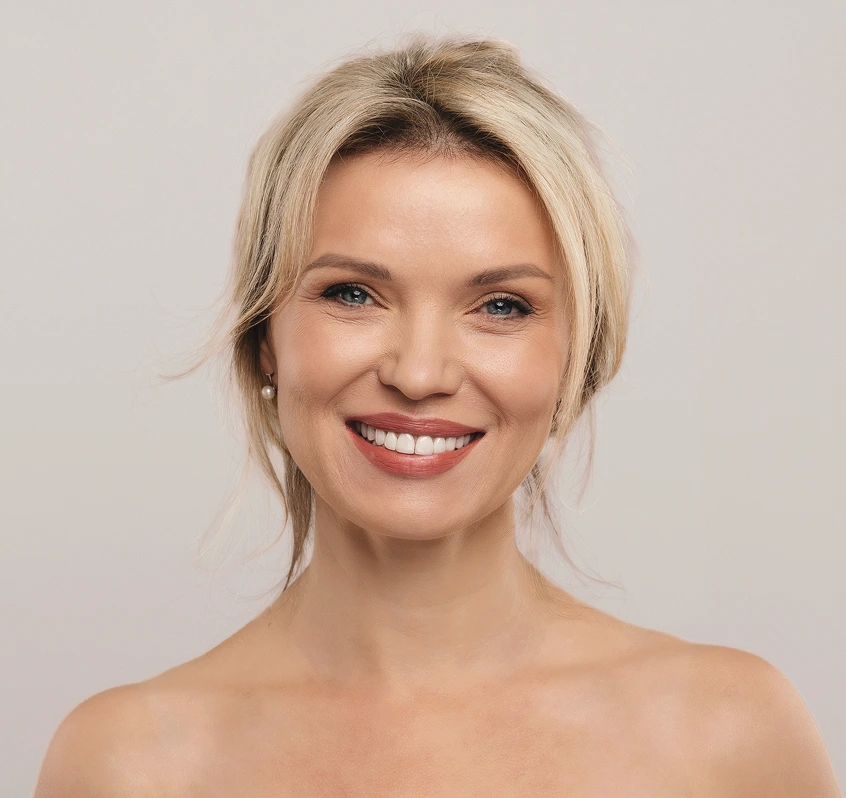
Facelift surgery, also known as rhytidectomy, is a cosmetic procedure designed to lift and tighten sagging skin and underlying tissues in the face and neck. Unlike non-surgical treatments that offer temporary improvements, a facelift targets deeper layers to smooth wrinkles, reduce jowls, and restore a more youthful contour to the jawline and cheeks. The procedure can be customized to address specific areas of concern, whether it’s the lower face, neck, or mid-face, allowing for natural-looking results that balance rejuvenation with individual facial features.
A regular (full) facelift is a comprehensive procedure that addresses sagging skin, deep creases, and loss of facial definition across the lower and mid-face. This approach lifts and tightens both the skin and underlying tissues, providing long-lasting rejuvenation for those seeking a dramatic but natural improvement in their overall facial appearance.
The mini facelift procedure is a less invasive option designed for patients with mild to moderate signs of aging. By focusing on targeted areas of the lower face and jawline, it provides noticeable results with minimal scarring, quicker recovery, and a refreshed look that still feels natural.
The SMAS facelift targets the superficial muscular aponeurotic system (SMAS), a layer of tissue beneath the skin that helps support facial structure. By lifting and repositioning this layer, the procedure enhances facial contours and provides longer-lasting results than skin-only techniques, creating a rejuvenated yet natural appearance.
The deep plane lift is a facelift technique that addresses aging by repositioning both the skin and deep tissues of the face. By working beneath the superficial layers, this approach restores youthful contours more effectively and provides a long-lasting improvement in areas like the cheeks, jawline, and mid-face.
Your initial consultation is the first step toward achieving a refreshed appearance. During this visit, our specialists carefully evaluate your unique facial features, including the upper lip, nasolabial folds, and overall distribution of facial fat, to determine which approach will best enhance your natural beauty. We review your medical history and discuss your goals to decide whether traditional facelift procedures or more specialized techniques are most appropriate.
Based on this assessment, we develop a personalized treatment plan tailored to your needs, ensuring every aspect of your procedure is designed to achieve long-lasting results while maintaining your distinctive facial character.
Facelift surgery is typically performed under general anesthesia or intravenous sedation, ensuring that patients remain comfortable and pain-free throughout the procedure. Your surgeon will discuss the best anesthesia option based on your health, procedure type, and personal preferences to ensure a safe, stress-free experience.
Facelift incisions are strategically placed along the hairline, around the ears, and sometimes under the chin, allowing the surgeon to access deeper facial tissues while keeping scarring as inconspicuous as possible. Properly positioned incisions enable precise lifting and repositioning without compromising the natural contours of the face.
Once the incisions are made, the surgeon carefully lifts the remaining skin and underlying muscles to restore youthful contours. This step often involves addressing sagging in the cheeks, jawline, and neck, while repositioning underlying muscles to enhance structure and support.
After the deeper tissues are repositioned, the remaining skin is gently redraped over the newly lifted facial structure. Excess skin is trimmed to prevent sagging, and care is taken to ensure smooth, natural lines without tension or distortion.
Finally, the incisions are closed with sutures or surgical adhesives to minimize scarring and promote optimal healing. Drains may be placed temporarily to prevent fluid buildup, and the surgeon carefully evaluates symmetry and facial balance before completing the procedure.
A neck lift is often performed alongside a facelift to address sagging skin, excess fat, and muscle banding in the neck. By tightening the underlying muscles and removing loose skin, this procedure creates a more defined jawline and neck, enhancing the overall balance and youthfulness of the face.
A brow lift targets sagging or drooping eyebrows and forehead lines, providing natural-looking rejuvenation that brightens the eyes and lifts the upper face. This procedure helps restore a more alert appearance while maintaining facial expressions that feel authentic and balanced.
Eyelid surgery, or blepharoplasty, improves the appearance of the upper and/or lower eyelids by removing excess skin and repositioning underlying fat. This procedure reduces puffiness, sagging, and tired-looking eyes, creating a refreshed appearance that complements a facelift.
During the first 24 hours after surgery, most patients experience swelling, bruising, and mild discomfort. Pain medication is typically prescribed to keep you comfortable, and careful monitoring ensures that any effects from general anesthesia are managed safely. Keeping your head elevated during this period can help reduce swelling and promote proper healing of the facial skin.
In the first week of the recovery period, swelling and bruising begin to subside, though some tightness or numbness may remain. Dressings and sutures are usually checked or removed, and patients are encouraged to follow gentle care instructions, avoid strenuous activity, and maintain their heads in an elevated position whenever possible.
By the second and third weeks, most patients notice significant improvement in swelling and bruising. Light activity can often resume, and any remaining discomfort can be managed with mild pain medication. The facial skin continues to heal, and results start to show a refreshed appearance, though subtle swelling may persist.
During this period, residual swelling fades, and the contours of the face and neck become more defined. Patients may begin complementary skin treatments if recommended, which can help improve texture, tone, and overall smoothness. Many people feel confident returning to regular social and professional activities as their appearance continues to refine.
After six weeks, healing is largely complete, with most patients enjoying lasting results that highlight natural facial contours and youthfulness. Subtle improvements may continue for several months as tissues settle, leaving a rejuvenated look that reflects the care taken during surgery and recovery.
Ideal candidates for facelift surgery are individuals who are beginning to notice sagging or laxity in the face and neck, including excess skin and weakened underlying tissues. Those with good skin quality and sufficient facial volume often achieve the most natural and long-lasting results. Candidates may also have deep wrinkles, jowls, or pronounced nasolabial folds that cannot be fully corrected with non-surgical treatments. In addition to physical suitability, patients should have realistic expectations about what the procedure can achieve, understanding that a facelift restores a youthful, refreshed appearance but does not stop the natural aging process.
Benefits of Facelift Surgery
In Los Angeles, facelift costs typically range from $12,000 to $25,000, depending on the procedure’s complexity, the surgeon’s experience, and whether additional treatments are included. Factors such as the type of facelift, anesthesia, and facility fees can also affect the final price. While cost is an important consideration, many patients view it as an investment in long-lasting facial rejuvenation that enhances confidence and overall appearance.
While the natural aging process cannot be fully stopped, facial plastic surgery can significantly reverse visible signs of aging by lifting and tightening sagging skin and underlying facial tissues. Younger patients may notice subtle changes over time, but a well-performed facelift can restore youthful contours and improve overall facial balance in a way that non-surgical approaches alone cannot.
Facelift results are long-lasting, often maintaining a revitalized facial appearance for 7–10 years or more, depending on factors such as genetics, lifestyle, and skin care. While aging continues naturally, patients typically enjoy years of improved facial contour and smoother skin following their procedure.
Facelift surgery provides more dramatic and long-lasting results than minimally invasive procedures, such as laser treatments (laser skin resurfacing) and a liquid facelift (dermal fillers). While non-surgical alternatives can improve fine lines and restore some volume, they cannot address sagging skin or reposition underlying tissues as effectively. A surgical facelift delivers natural-looking results that create a refreshed appearance that non-surgical treatments alone cannot achieve.
The cost of a facelift often covers multiple aspects of the procedure, including the surgeon’s fees, anesthesia, facility charges, and any complementary facial procedures. In some cases, facelift costs may also include reconstructive surgery elements if necessary to restore balance and symmetry, ensuring comprehensive and long-lasting results.
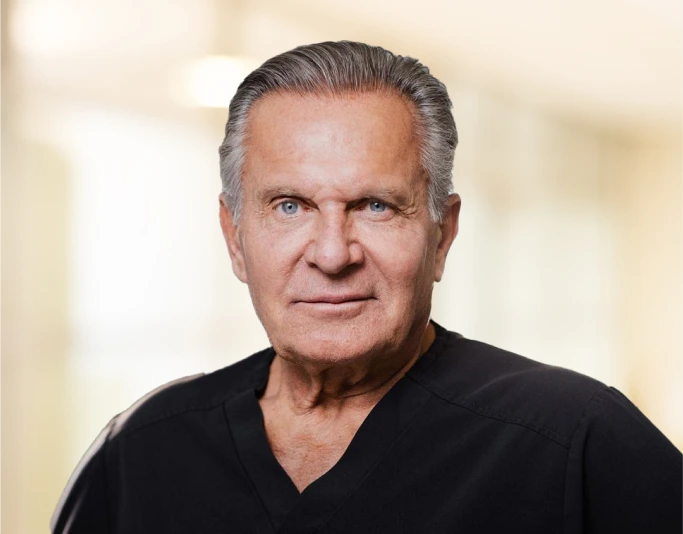
Dr. Andrew Ordon


Dr. Andrew Ordon is an Emmy® nominated co-host of the award-winning talk show The Doctors. For over three decades, Dr. Ordon has been an acclaimed surgeon in private practice of aesthetics, plastic, and reconstructive surgery. He is consistently recognized as a top doctor by Castle-Connolly, a trusted source for premiere doctors in the United States.
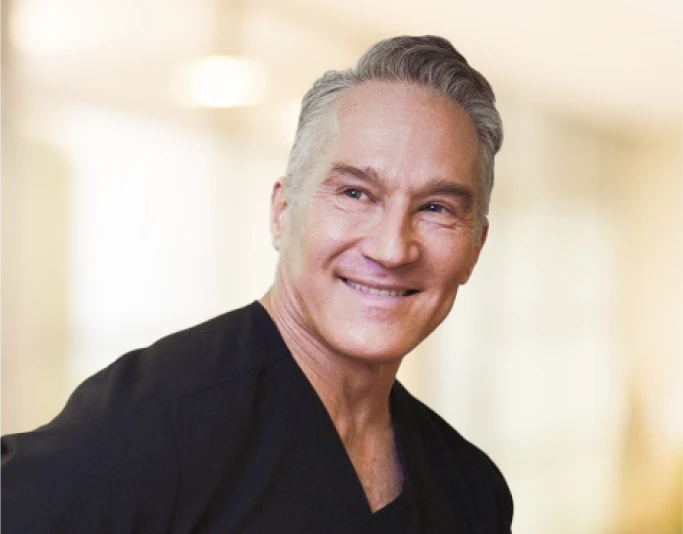
Dr. Andrew Jarminski
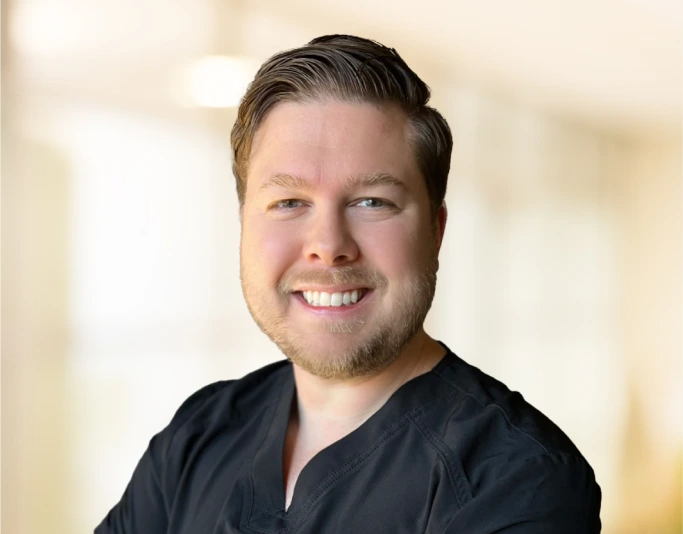
Dr. David Henry


Dr. David Feldmar

Dr. Dennis Alwen
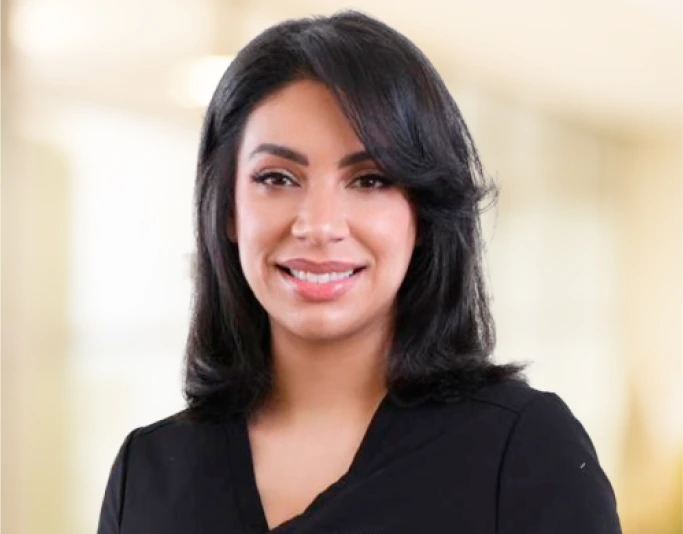
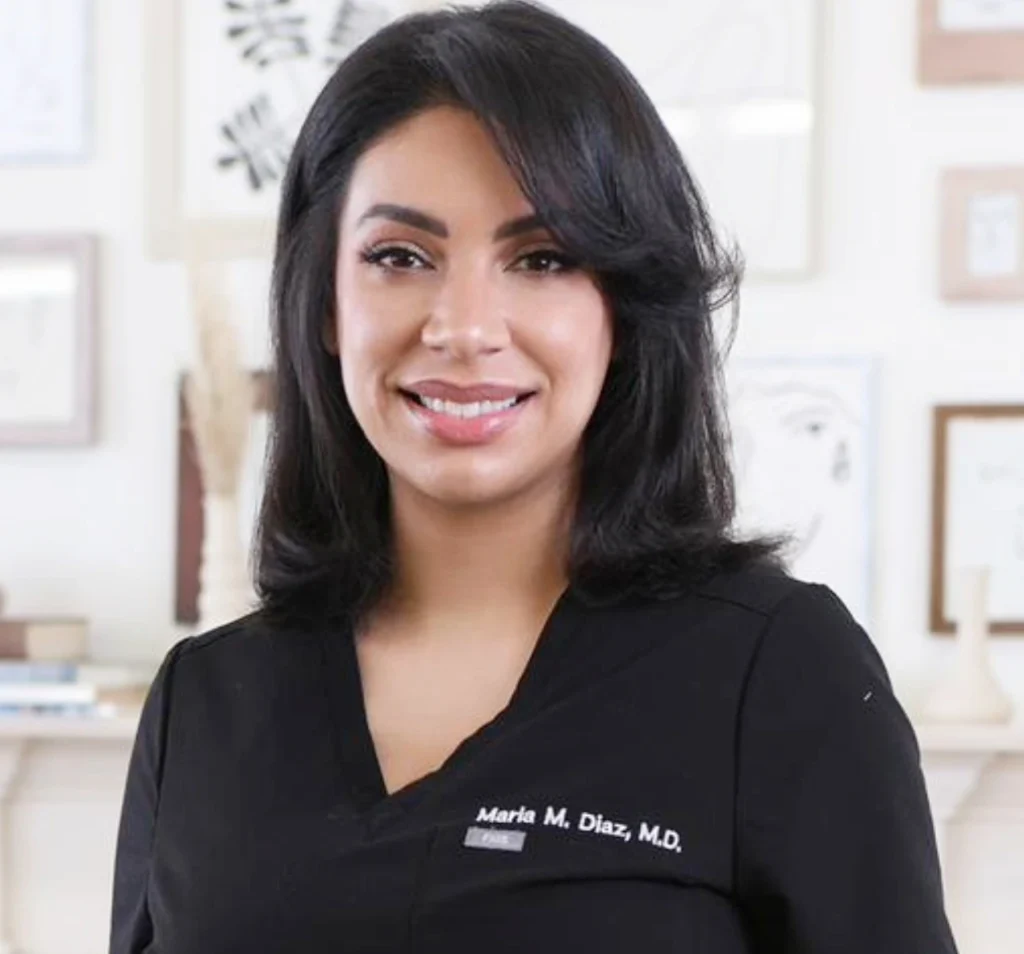
dr. Maria M. Diaz
Dr. Maria Diaz is a fellowship trained cosmetic surgeon. She is board certified, a diplomat of the American Board of Cosmetic Surgery and is devoted to helping patients achieve their aesthetic goals. A UCLA School of Medicine graduate, Dr. Diaz pursued her passion through a surgical residency and an intensive Cosmetic Surgery Fellowship specializing in facial, body, breast, post-weight loss, mommy makeovers, cosmetic gynecology, and non-surgical treatments.
dr. Maria M. Diaz
Hablamos Español